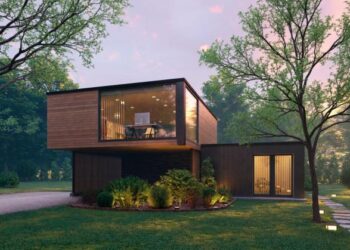
With top energy efficient building designs in 2025 at the forefront, this paragraph opens a window to an amazing start and intrigue, inviting readers to embark on a storytelling journey filled with unexpected twists and insights. Energy-efficient buildings are not just a trend but a necessity for a sustainable future.
As we look ahead to 2025, the landscape of architecture is evolving rapidly to embrace innovative designs that prioritize energy efficiency. Let's delve into the realm of sustainable architecture and explore the exciting possibilities that lie ahead.
Energy-efficient building designs play a crucial role in reducing carbon footprint, minimizing energy consumption, and creating healthier indoor environments. In the quest for more sustainable practices, architects and designers are pushing boundaries to create structures that are not only visually appealing but also environmentally friendly.
Let's take a closer look at the cutting-edge concepts shaping the future of architecture in 2025.
Energy-Efficient Building Designs in 2025
Energy-efficient building designs focus on minimizing energy consumption while maximizing performance and comfort. These designs incorporate various technologies, materials, and strategies to reduce the overall energy demand of a building.The significance of energy-efficient buildings for sustainability cannot be overstated. These buildings play a crucial role in reducing greenhouse gas emissions, combating climate change, and promoting environmental stewardship.
By using less energy for heating, cooling, lighting, and other systems, energy-efficient buildings help decrease the reliance on fossil fuels and lower operational costs.
Current Energy-Efficient Building Designs
- The Edge in Amsterdam, Netherlands: This building utilizes solar panels, energy-efficient LED lighting, and smart building systems to significantly reduce energy consumption.
- One Central Park in Sydney, Australia: With vertical gardens, solar panels, and a natural ventilation system, this building showcases innovative sustainable design practices.
Trends in Energy-Efficient Building Materials
Innovations in building materials play a crucial role in the development of energy-efficient building designs. Advancements in materials technology have led to the emergence of new options that offer improved energy efficiency compared to traditional building materials.
Innovative Materials for Energy-Efficient Buildings
- Smart Glass: Smart glass, also known as switchable glass, can adjust its properties to control the amount of light, heat, and glare entering a building. This helps in reducing the need for artificial lighting and air conditioning, thus saving energy.
- Green Roofs: Green roofs are made of vegetation and provide natural insulation, reducing the energy needed for heating and cooling a building. They also help in managing stormwater runoff and improving air quality.
- Bio-based Insulation: Insulation materials derived from natural sources such as cellulose, wool, or cork offer excellent thermal performance while being environmentally friendly and sustainable.
Impact of Advanced Materials on Energy Efficiency
- Enhanced Insulation: Advanced insulation materials help in maintaining optimal indoor temperatures, reducing the reliance on heating and cooling systems and lowering energy consumption.
- Improved Durability: Many energy-efficient materials are designed to be durable and long-lasting, reducing the need for frequent replacements and maintenance, which in turn saves energy and resources.
- Energy Generation: Some innovative materials incorporate energy-generating properties, such as photovoltaic panels integrated into building facades or roofs, allowing the building to produce its own electricity.
Comparison with Traditional Building Materials
- Traditional materials like concrete and steel have high embodied energy and contribute to significant carbon emissions during production. In contrast, energy-efficient materials focus on sustainability and low environmental impact.
- Energy-efficient materials often provide better thermal performance, air quality, and overall comfort compared to traditional options, making them more conducive to creating a healthy and efficient indoor environment.
- While initial costs of energy-efficient materials may be higher, their long-term benefits in terms of energy savings, environmental impact, and occupant well-being make them a worthwhile investment in the future of sustainable construction.
Smart Technologies Integration
Smart technologies such as Internet of Things (IoT), sensors, and automation play a crucial role in enhancing energy efficiency in buildings. These technologies enable real-time monitoring, analysis, and control of various systems within a building, leading to optimized energy consumption and improved sustainability.
Role of AI and Machine Learning
Artificial Intelligence (AI) and machine learning algorithms are increasingly being utilized to optimize energy consumption in buildings. These technologies can analyze vast amounts of data from sensors and other sources to identify patterns, predict energy usage, and automate adjustments to heating, cooling, lighting, and other systems.
By continuously learning and adapting, AI systems can help buildings operate more efficiently and reduce energy waste.
Examples of Smart Technologies Integration
- Sensor-based lighting systems that adjust brightness based on occupancy and natural light levels, reducing energy waste.
- Smart thermostats that learn occupants' preferences and adjust temperature settings accordingly, optimizing heating and cooling energy usage.
- Building energy management systems that use AI to analyze data and provide recommendations for energy-saving measures, such as scheduling equipment usage during off-peak hours.
- IoT-enabled devices that allow remote monitoring and control of energy-consuming systems, enabling proactive maintenance and energy optimization.
Sustainable Energy Sources for Buildings
In the pursuit of creating more energy-efficient buildings, the integration of sustainable energy sources plays a crucial role. Renewable energy sources such as solar, wind, and geothermal power have gained popularity in powering buildings while reducing their carbon footprint. Let's delve into the benefits, challenges, and future potential of incorporating these sustainable energy sources into building designs.
Solar Energy
Solar energy is one of the most widely used renewable energy sources for buildings. By harnessing the power of the sun through solar panels, buildings can generate electricity and heat water efficiently. The benefits of solar energy integration include reduced energy costs, lower carbon emissions, and increased energy independence for buildings.
However, challenges such as upfront installation costs and intermittency of sunlight need to be addressed to maximize the potential of solar energy for buildings.
Wind Energy
Wind energy is another sustainable energy source that can be harnessed to power buildings. Wind turbines installed on or near buildings can generate electricity, especially in areas with consistent wind patterns. The benefits of wind energy integration include zero greenhouse gas emissions during operation and long-term cost savings.
Challenges such as visual impact, noise pollution, and intermittent wind availability need to be considered when incorporating wind energy into building designs.
Geothermal Energy
Geothermal energy utilizes the heat stored beneath the earth's surface to provide heating and cooling for buildings. By tapping into geothermal energy through heat pumps, buildings can achieve high energy efficiency and reduce reliance on traditional heating and cooling systems.
The benefits of geothermal energy integration include lower operating costs, minimal environmental impact, and long-term sustainability. Challenges such as high upfront costs and site-specific limitations need to be addressed to fully leverage the potential of geothermal energy for buildings.
Future Potential
The future potential of sustainable energy sources in meeting the energy needs of buildings is promising. With advancements in technology and increasing awareness of environmental sustainability, more buildings are expected to adopt renewable energy sources as a primary energy generation method.
As the costs of renewable energy systems continue to decrease and efficiency improves, sustainable energy sources are poised to play a significant role in creating greener and more energy-efficient buildings in the years to come.
Closing Notes
As we conclude our exploration of top energy efficient building designs in 2025, it's evident that sustainable architecture is paving the way for a greener and more efficient future. The innovations in materials, technologies, and energy sources discussed here represent a glimpse into the transformative potential of the architectural landscape.
By embracing energy efficiency and sustainability, we can build a better tomorrow for generations to come.
Essential Questionnaire
How do energy-efficient building designs contribute to sustainability?
Energy-efficient building designs help reduce carbon emissions, lower energy costs, and promote a healthier environment by optimizing energy consumption.
What are some examples of current energy-efficient building designs leading the way to 2025?
Examples include passive solar design, green roofs, and high-performance insulation systems that prioritize energy efficiency.
How can smart technologies like IoT and automation enhance energy efficiency in buildings?
Smart technologies can monitor energy usage, optimize HVAC systems, and automate lighting to reduce wastage and improve overall energy efficiency.
What are the benefits and challenges of integrating sustainable energy sources into building designs?
The benefits include lower energy costs, reduced reliance on fossil fuels, and environmental benefits. Challenges may include initial costs and integration complexities.
What is the future potential of sustainable energy sources in meeting the energy needs of buildings?
Sustainable energy sources like solar, wind, and geothermal have the potential to meet a significant portion of building energy needs, leading to greater energy independence and reduced environmental impact.