Exploring the world of architecture software for professionals unveils a realm of innovation and creativity. This guide delves into the key features, benefits, and comparisons of top software tools used by architects, providing valuable insights for industry experts and newcomers alike.
Overview of Top Architecture Software
Architecture software plays a crucial role in the professional world of architecture, providing tools and features that help streamline the design process, improve collaboration, and enhance visualization of projects.
Key Features Professionals Look For
- Advanced 3D modeling capabilities for creating detailed designs.
- Intuitive user interface for ease of use and efficiency.
- Compatibility with other software and file formats for seamless integration.
- Collaboration tools to work effectively with team members and clients.
- Rendering capabilities for realistic visualization of projects.
Benefits of Using Specialized Software
- Increased productivity and efficiency in design creation and modification.
- Improved accuracy and precision in measurements and calculations.
- Enhanced communication with clients through realistic visualizations.
- Ability to explore multiple design options quickly and easily.
- Streamlined project management and coordination among team members.
AutoCAD
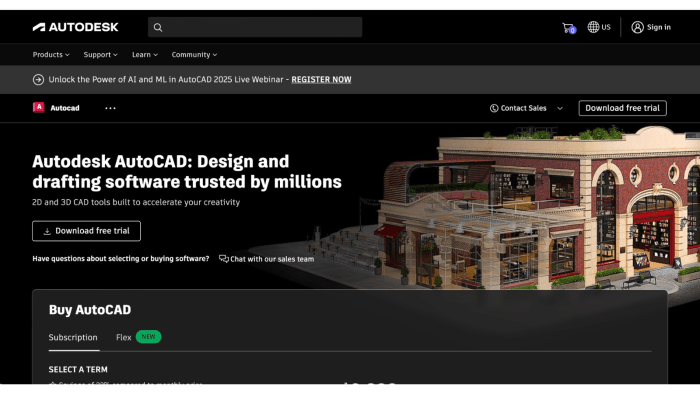
AutoCAD is a widely used software in the architecture industry, known for its powerful tools and functionalities that streamline the design process and enhance project efficiency.
Key Tools and Functionalities
- Design and Drafting Tools: AutoCAD provides a comprehensive set of tools for creating precise 2D and 3D designs, allowing architects to visualize their concepts effectively.
- Collaboration Features: The software enables real-time collaboration among team members, facilitating seamless communication and project coordination.
- Customization Options: AutoCAD allows users to customize the interface, commands, and workflows to suit individual preferences and project requirements.
- Automation Capabilities: With features like parametric constraints and dynamic blocks, AutoCAD helps automate repetitive tasks and improve design accuracy.
Comparison with Other Architecture Software
- User-Friendliness: AutoCAD is known for its user-friendly interface and extensive documentation, making it easier for professionals to learn and master the software compared to some other complex programs.
- Versatility: AutoCAD offers a wide range of tools and functionalities that cater to various design needs, from architectural drafting to 3D modeling, making it a versatile choice for architects working on diverse projects.
- Integration with BIM: AutoCAD seamlessly integrates with Building Information Modeling (BIM) software, allowing architects to create intelligent 3D models and collaborate with other disciplines effectively.
Revit
Revit is a powerful software tool commonly used in architectural design and building information modeling (BIM). It allows architects and designers to create detailed 3D models of buildings, complete with all necessary information for construction, such as materials, dimensions, and structural elements.
Advantages of Using Revit for Collaborative Projects
- Streamlined Collaboration: Revit facilitates real-time collaboration among architecture professionals by allowing multiple team members to work on the same project simultaneously.
- Improved Communication: With Revit, team members can easily share and access project information, ensuring that everyone is on the same page throughout the design process.
- Enhanced Coordination: By using Revit, architects can better coordinate with engineers, contractors, and other stakeholders, leading to more efficient project delivery.
Real-World Examples of Revit in Action
- One World Trade Center: The iconic One World Trade Center in New York City was designed using Revit, allowing architects to create a complex and detailed model of the building's structure and interior spaces.
- Burj Khalifa: The world's tallest building, the Burj Khalifa in Dubai, was also designed using Revit, showcasing the software's capability to handle large-scale and intricate architectural projects.
- Hospital Projects: Many modern hospital projects around the world have utilized Revit for its ability to model complex healthcare facilities with precision and accuracy.
SketchUp
SketchUp is a powerful tool used by architects to create detailed 3D models and visualizations for architectural projects. Its user-friendly interface and robust features make it a popular choice among professionals in the industry.
Integration with Other Software Tools
SketchUp seamlessly integrates with other software commonly used by architects, such as AutoCAD and Revit. This interoperability allows for the easy transfer of files and data between different platforms, streamlining the design process and improving collaboration among team members.
- When working with AutoCAD, architects can import DWG files directly into SketchUp for further development of 3D models.
- Similarly, SketchUp models can be exported to Revit for detailed building information modeling (BIM) and documentation.
- Plugins and extensions are available to enhance SketchUp's capabilities and integrate with other software tools, providing additional functionality and customization options.
Tips and Tricks for Efficient Design in SketchUp
- Utilize components and groups to organize and manage complex models effectively, improving workflow efficiency and model clarity.
- Master the use of layers and scenes to control visibility and presentation of different design elements, facilitating the creation of compelling visualizations.
- Take advantage of SketchUp's extensive library of textures, materials, and 3D models to enhance the realism and detail of architectural projects.
- Explore the use of plugins and extensions to customize SketchUp's features and expand its functionality according to specific project requirements.
Rhino
Rhino, also known as Rhinoceros 3D, is a powerful software tool widely used by architects, designers, and engineers for its versatility and ability to handle complex 3D modeling tasks with ease.
Parametric Design Features
- Rhino offers robust parametric design capabilities, allowing professionals to create and manipulate complex geometric forms with precision.
- Users can easily adjust parameters and make changes to their designs, enabling quick iterations and exploration of various design options.
- Parametric design in Rhino helps architects, designers, and engineers optimize their workflows, enhance creativity, and efficiently handle intricate design challenges.
Examples of Complex Architectural Designs
- One impressive example of a complex architectural design created using Rhino is the Heydar Aliyev Center in Baku, Azerbaijan. The building's flowing, organic form was made possible through Rhino's advanced modeling tools.
- Another notable project is the CCTV Headquarters in Beijing, China, designed by Rem Koolhaas and Ole Scheeren. Rhino was instrumental in the realization of this iconic, gravity-defying structure.
- Additionally, the Guggenheim Museum in Bilbao, Spain, designed by Frank Gehry, showcases the intricate and dynamic shapes that can be achieved through Rhino's parametric design features.
Last Recap
In conclusion, the realm of architecture software offers a plethora of tools and possibilities for professionals to create stunning designs and bring their visions to life. By understanding the nuances of different software options, architects can elevate their projects to new heights of excellence.
Key Questions Answered
How important is architecture software for professionals?
Architecture software is crucial for professionals as it streamlines design processes, enhances collaboration, and enables the creation of complex architectural models with precision.
What are some key features to look for in architecture software?
Professionals should prioritize features like 3D modeling capabilities, BIM integration, rendering tools, and compatibility with industry standards.
Can architecture software like Revit be used for collaborative projects?
Yes, Revit is highly valued for its collaborative features that allow architecture professionals to work seamlessly on projects with real-time updates and shared models.
How does SketchUp contribute to architectural projects?
SketchUp plays a key role in creating detailed 3D models and visualizations that aid architects in presenting their designs to clients and stakeholders.