Siding contractors near me opens the door to a world of possibilities when it comes to enhancing your home's exterior. From exploring various siding materials to finding the perfect contractor for the job, this guide covers all you need to know to embark on your siding project with confidence.
Researching Siding Contractors
When looking for siding contractors in your local area, it is essential to conduct thorough research to ensure you are hiring a reputable and reliable professional for the job. Here are some tips on how to research siding contractors effectively:
Check Reviews and Ratings
Before hiring a siding contractor, make sure to check online reviews and ratings. Websites like Yelp, Google, and Angie's List can provide valuable insights into the experiences of previous customers. Look for contractors with consistently positive reviews and high ratings to ensure quality work.
Utilize Online Platforms
Use online platforms such as HomeAdvisor or Thumbtack to find reputable siding contractors near you. These websites allow you to compare contractors based on reviews, ratings, and prices. You can also request quotes and communicate with contractors directly through these platforms, making the selection process easier.
Types of Siding Materials
When it comes to selecting siding for your residential property, there are several material options to consider. Each type of siding material has its own unique characteristics, pros, and cons. It's essential to understand the differences between these materials to make an informed decision based on your needs and preferences.
Vinyl Siding
Vinyl siding is one of the most popular choices for homeowners due to its affordability and low maintenance requirements. It comes in a variety of colors and styles, making it versatile for different aesthetic preferences. However, vinyl siding may not be as durable as other materials and can crack or fade over time.
Wood Siding
Wood siding offers a classic and natural look that many homeowners find appealing. It can be stained or painted to match your desired aesthetic. While wood siding is durable and can last for many years with proper maintenance, it does require regular upkeep such as painting, staining, and sealing to prevent rot and decay.
Fiber Cement Siding
Fiber cement siding is known for its durability and resistance to fire, insects, and moisture. It can mimic the look of wood or stucco without the high maintenance requirements. However, fiber cement siding can be more expensive upfront compared to other materials, and installation may require professional assistance due to its weight.
Metal Siding
Metal siding, such as aluminum or steel, is another option for homeowners seeking a durable and low-maintenance material. Metal siding is resistant to rot, insects, and fire, making it a practical choice for many homeowners. However, metal siding can dent easily and may require repainting over time to maintain its appearance.
Hiring the Right Siding Contractor
When it comes to renovating your home with new siding, choosing the right contractor is crucial to ensure a successful and satisfactory outcome. Here are some steps to help you evaluate and select the best siding contractor for your project.
Qualifications Checklist for Siding Contractors
Before hiring a siding contractor, it's important to look for the following qualifications:
- Experience: Choose a contractor with a proven track record of successful siding installations.
- License: Verify that the contractor is licensed to perform siding work in your area.
- Insurance: Make sure the contractor has liability insurance and workers' compensation coverage to protect you and their workers in case of accidents.
- References: Ask for references from past clients and check online reviews to gauge the contractor's reputation.
- Warranty: Inquire about the warranty offered on the siding materials and the contractor's workmanship.
Importance of Verifying Licenses, Insurance, and Warranties
It's crucial to verify a siding contractor's licenses, insurance, and warranties before hiring them for your project.
Ensuring that the contractor is licensed guarantees that they have met the necessary requirements to perform the job professionally and legally.
Insurance coverage protects you from liability in case of accidents or damages during the project.
Warranties provide you with peace of mind knowing that the contractor stands by their work and the quality of the materials used.
Cost Factors and Estimates
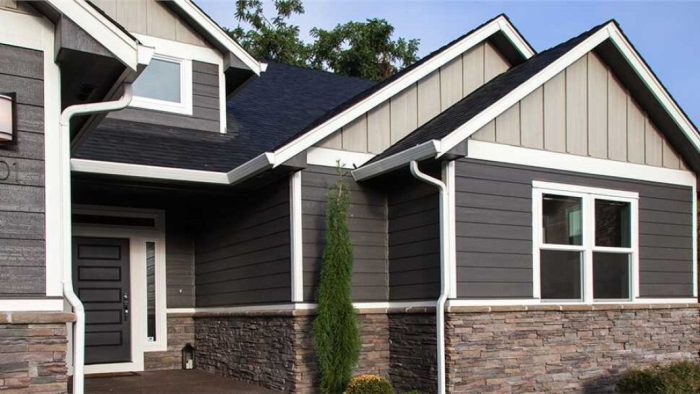
When it comes to siding installation, there are several cost factors to consider. The type of siding material, the square footage of your home, labor costs, and any additional services required will all impact the overall cost of the project.
It's important to understand how these factors influence the estimates provided by siding contractors.
Breakdown of Cost Factors
- The type of siding material you choose will greatly affect the overall cost. Vinyl siding is usually the most affordable option, while fiber cement and wood siding tend to be more expensive.
- The square footage of your home is another key factor in determining the cost of siding installation. The larger your home, the more materials and labor will be needed, resulting in a higher overall cost.
- Labor costs can vary depending on the complexity of the installation, the experience of the siding contractor, and the location of your home. Be sure to get multiple quotes to compare labor costs.
- Additional services, such as trim work, window wrapping, or removal of old siding, can also impact the total cost of the project. Make sure these services are included in the estimates provided by contractors.
Siding Installation Process
When it comes to the siding installation process, there are several key steps involved to ensure a successful outcome for your home. From preparation to finishing touches, each phase plays a crucial role in the overall project.
General Steps in Siding Installation
- Preparation: This involves removing any existing siding, inspecting the exterior walls for damage, and preparing the surface for the new siding.
- Installation of Insulation: Adding insulation to the walls helps improve energy efficiency and provides a barrier against moisture.
- Mounting the Siding: The siding panels are carefully measured, cut, and installed according to the manufacturer's guidelines.
- Sealing and Fastening: Properly sealing the seams and fastening the siding securely to the walls is essential to prevent water infiltration and ensure durability.
- Trim and Finishing: Adding trim pieces, corner caps, and other finishing touches enhances the overall look of the siding and provides a polished appearance.
Timeline for Completing a Siding Installation Project
On average, a typical siding installation project can take anywhere from a few days to a couple of weeks, depending on the size of the home, weather conditions, and any unforeseen challenges that may arise during the process.
Common Challenges and Solutions
- Weather Delays: Inclement weather such as heavy rain or extreme temperatures can slow down the installation process. It's important to work with your contractor to establish a flexible timeline that accounts for potential delays.
- Structural Issues: Discovering underlying structural issues like rot or mold during the installation can impact the project timeline and budget. Addressing these issues promptly with the guidance of a professional is crucial to ensure the integrity of your home.
- Mismatched Materials: Inconsistencies in siding materials or colors can cause visual discrepancies. Thoroughly reviewing samples and communicating preferences with your contractor beforehand can help prevent this issue.
- Permitting Problems: Obtaining the necessary permits for siding installation can be a challenge if not handled correctly. Working with a reputable contractor who is familiar with local regulations can streamline the process and prevent delays.
Final Thoughts
In conclusion, choosing the right siding contractor near you is crucial for a successful home improvement project. With the information provided in this guide, you are well-equipped to make informed decisions and achieve the aesthetic and functional results you desire for your property.
Key Questions Answered
How can I search for siding contractors in my local area?
You can start by asking for recommendations from friends and neighbors, checking online directories, and reading reviews on platforms like Yelp or Angie's List.
What are the pros and cons of popular siding materials like vinyl?
Vinyl siding is low maintenance and cost-effective, but it may not offer the same level of durability as other materials like fiber cement.
How do I evaluate and select the best siding contractor for my project?
Look for contractors with experience, proper licensing and insurance, good communication skills, and a solid reputation in the industry.
What are the common challenges that may arise during the siding installation process?
Challenges can include inclement weather, unforeseen structural issues, or delays in material delivery. Working closely with your contractor can help address these challenges effectively.