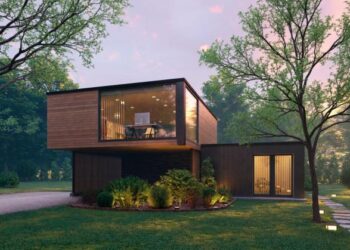
Delving into the realm of Interior vs. exterior architecture explained, this piece aims to shed light on the intricacies of both facets, offering a comprehensive look at their unique characteristics and design elements. Through an engaging narrative, readers are invited to explore the world of architectural design in a captivating manner.
Exploring the fundamental differences between interior and exterior architecture, this discussion promises to provide valuable insights into the dynamic interplay of design and functionality within architectural spaces.
Interior vs. Exterior Architecture
Interior architecture focuses on designing the interior spaces of a building to enhance functionality, aesthetics, and overall user experience. It involves the layout, materials, lighting, and other elements within a structure to create a cohesive and well-designed space.
Key Characteristics of Exterior Architecture
Exterior architecture, on the other hand, deals with the design and appearance of the exterior of a building. This includes the facade, landscaping, entryways, and overall exterior layout. Key characteristics of exterior architecture include the use of materials that can withstand weather conditions, attention to detail for curb appeal, and consideration of the building's surroundings.
Differentiation in Design Elements
In terms of design elements, interior architecture focuses on creating functional spaces that cater to the needs of the occupants. This involves considerations such as room layout, furniture placement, lighting design, and color schemes to enhance the overall user experience.Exterior architecture, on the other hand, prioritizes the visual impact of the building from the outside.
This includes the use of architectural features, landscaping, and materials to create an appealing and cohesive exterior design that complements the surrounding environment.Overall, while interior architecture focuses on creating functional and aesthetically pleasing interior spaces, exterior architecture is concerned with the visual impact and overall design of a building's exterior.
Both disciplines play a crucial role in creating well-designed and harmonious buildings.
Purpose and Functionality
Interior architecture plays a crucial role in creating functional and aesthetically pleasing spaces within a building. It focuses on the design and arrangement of interior elements to enhance the user experience, improve functionality, and optimize the use of space.Exterior architecture, on the other hand, serves as the face of a building, providing the first impression to viewers and passersby.
It involves the design and layout of the building's exterior elements, such as facades, roofs, and entrances, to ensure structural integrity, weather protection, and visual appeal.
Primary Purpose of Interior Architecture
Interior architecture aims to create interior spaces that are not only visually appealing but also functional and practical. It involves the careful planning and design of layouts, furniture, lighting, and materials to enhance the overall user experience and meet the specific needs of the occupants.
- Maximizing space utilization and flow for efficiency
- Creating comfortable and inviting environments
- Enhancing functionality and usability of interior spaces
Functionality of Exterior Architecture
Exterior architecture serves as the protective shell of a building, shielding it from external elements like weather, noise, and pollution. It also contributes to the overall aesthetic and architectural style of the structure, making it visually appealing and harmonious with its surroundings.
- Ensuring structural stability and safety
- Providing insulation and weatherproofing
- Defining the building's identity and character
Comparison of Functionality
While interior architecture focuses on creating functional and comfortable spaces for occupants, exterior architecture emphasizes structural integrity, weather protection, and visual appeal. Both play essential roles in the overall design and functionality of a building, working together to create a harmonious and cohesive environment for users.
Design Elements

Interior and exterior architecture both rely on specific design elements to create functional and aesthetically pleasing spaces. Let's explore the differences in design elements between interior and exterior architecture.When it comes to interior architecture, some common design elements include:
Color palettes
Interior spaces often utilize color schemes to create a certain mood or atmosphere.
Lighting
Lighting design is crucial in interior architecture to enhance the space and provide functionality.
Furniture and fixtures
The selection and placement of furniture and fixtures play a key role in the overall design of interior spaces.
Texture and materials
Interior designers often incorporate various textures and materials to add depth and visual interest to a space.On the other hand, exterior architecture features design elements unique to outdoor spaces, such as:
Facade design
The facade of a building is a key design element in exterior architecture, often showcasing the style and character of the structure.
Landscaping
Outdoor spaces often include landscaping elements like plants, trees, and pathways to enhance the overall design.
Exterior cladding
Materials used for exterior cladding, such as wood, metal, or brick, contribute to the aesthetics and functionality of the building.
Outdoor lighting
Exterior lighting design is essential for both safety and ambiance in outdoor spaces.The design elements in interior and exterior architecture differ in terms of their application and purpose. While interior design focuses on creating functional and comfortable spaces for occupants, exterior design places emphasis on the building's interaction with its surroundings and the overall aesthetic appeal from the outside.
Material Selection
Choosing the right materials is a crucial aspect of interior architecture as it directly affects the functionality, aesthetics, and overall feel of a space. The materials selected can determine the durability, maintenance requirements, and the overall ambiance of the interior design.
Impact of Material Choices on Exterior Architecture
When it comes to exterior architecture, material choices play a significant role in not only the appearance but also the performance and longevity of a building. The materials need to withstand harsh weather conditions, provide insulation, and contribute to the overall architectural style.
Comparison of Material Considerations
- Interior Architecture:
- Focus on aesthetics, comfort, and functionality.
- Materials should be selected based on the intended use of the space.
- Consider factors like maintenance, durability, and sustainability.
- Exterior Architecture:
- Emphasis on durability, weather resistance, and insulation.
- Materials must complement the overall design and architectural style.
- Consideration of environmental factors and long-term maintenance requirements.
Last Point
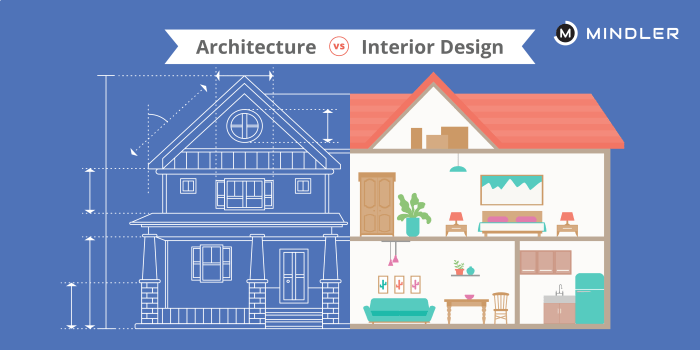
In conclusion, the comparison of Interior vs. exterior architecture unravels a tapestry of creativity and functionality, showcasing the significance of each in shaping our built environment. As we navigate through the intricacies of architectural design, it becomes evident that both interior and exterior elements play a pivotal role in defining the aesthetics and usability of spaces.
General Inquiries
What defines interior architecture?
Interior architecture focuses on the design and functionality of interior spaces, encompassing elements like layout, materials, and lighting to create a cohesive and aesthetically pleasing environment.
How does exterior architecture differ from interior architecture?
Exterior architecture primarily deals with the design and structural elements of the exterior of a building, emphasizing aspects like facade, landscaping, and overall visual appeal.
Why is material selection crucial in interior architecture?
Material selection in interior architecture impacts the durability, aesthetics, and functionality of a space, influencing factors such as maintenance requirements and overall design coherence.
What are some unique design elements found in exterior architecture?
Exterior architecture often incorporates features like cladding, roofing materials, and window designs that are specifically tailored to withstand external elements while enhancing the overall architectural style.