When it comes to home remodeling, selecting the perfect flooring is crucial. From hardwood to vinyl, each option brings its own set of advantages and considerations. Dive into this comprehensive guide to discover the best flooring options for your home renovation project.
Types of Flooring Options
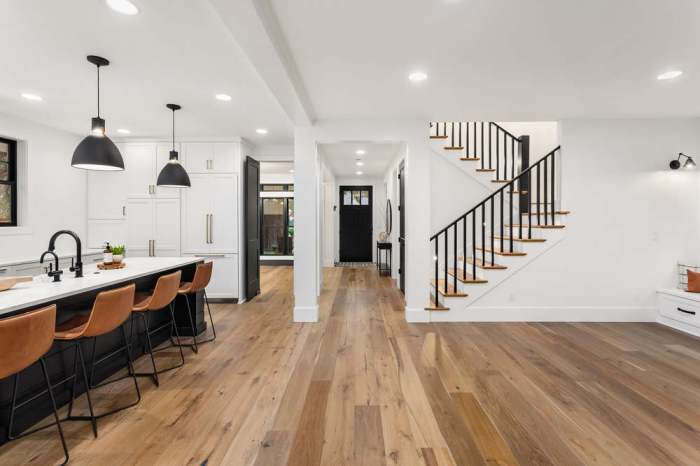
When it comes to flooring options for a home remodel, there are several materials to choose from. Each type of flooring has its own set of pros and cons, as well as durability and maintenance requirements.
Hardwood Flooring
Hardwood flooring is a classic choice that adds warmth and elegance to any space. It is durable and can last for decades with proper care. However, hardwood floors can be expensive to install and are prone to scratches and water damage.
Laminate Flooring
Laminate flooring is a more budget-friendly option that can mimic the look of hardwood or tile. It is easy to install and maintain, but it is not as durable as hardwood and can be easily damaged by water.
Vinyl Flooring
Vinyl flooring is versatile, affordable, and durable. It comes in a variety of styles, including vinyl plank and vinyl tile. Vinyl is resistant to water and scratches, making it a great choice for high-traffic areas.
Tile Flooring
Tile flooring, such as ceramic or porcelain, is known for its durability and easy maintenance. It is moisture-resistant and comes in a wide range of colors and patterns. However, tile can be cold underfoot and may require regular grout cleaning.
Carpet Flooring
Carpet flooring provides comfort and warmth, especially in bedrooms and living rooms. It comes in various styles, colors, and textures. However, carpet can stain easily and may require regular vacuuming and professional cleaning.
Factors to Consider
When choosing flooring for a home remodel, it is crucial to take various factors into consideration to ensure you make the best decision for your space. Factors such as budget, foot traffic, style preferences, and room functionality can greatly influence the type of flooring material that is most suitable for your needs.
Impact of Different Factors
- Budget: Your budget will play a significant role in determining the type of flooring you can afford. For example, hardwood flooring tends to be more expensive than laminate or vinyl flooring, so if you are working with a limited budget, you may opt for a more cost-effective option.
- Foot Traffic: High-traffic areas like the living room or kitchen may require more durable flooring materials such as tile or luxury vinyl plank to withstand wear and tear over time.
- Style Preferences: Your personal style and aesthetic preferences will also influence your choice of flooring. Whether you prefer a modern, rustic, or traditional look, there are various flooring options available to match your style.
- Room Functionality: Consider the functionality of the room when selecting flooring. For example, moisture-resistant flooring like tile or luxury vinyl is ideal for bathrooms and kitchens where spills are common.
Impact of Climate and Location
- Climate: The climate of your location can impact the performance of certain flooring materials. For instance, hardwood flooring may not be suitable for humid climates as it can warp and expand. In such cases, tile or luxury vinyl plank may be a better choice.
- Location: The specific location within your home, such as a basement or a sunroom, can also influence your choice of flooring. Areas prone to moisture or temperature fluctuations may require water-resistant or temperature-resistant flooring options.
Design Trends and Aesthetics
In today's home remodeling projects, design trends play a crucial role in creating a cohesive and visually appealing space. Flooring choices can significantly impact the overall aesthetics and ambiance of a home. Let's explore some of the current design trends in flooring for home remodels and how they can enhance the look and feel of different rooms.
Popular Color Schemes, Textures, and Patterns
When it comes to color schemes, neutral tones such as beige, gray, and white are still popular choices for flooring. These colors create a timeless and versatile look that can easily complement various design styles. In recent years, darker shades like espresso and charcoal have also gained popularity for adding a touch of sophistication to the space.Textures play a key role in adding depth and character to the flooring.
Wood-look tiles, distressed hardwood, and textured carpets are some of the trending options that add visual interest and warmth to a room. Mixing different textures within the same space can create a dynamic and inviting atmosphere.Patterns are another element that can elevate the design of a room.
Chevron, herringbone, and geometric patterns are making a comeback in flooring design, adding a modern and unique touch to the space. These patterns can be used to create focal points or define specific areas within an open floor plan.Overall, flooring choices can set the tone for the entire room, whether you're aiming for a cozy and rustic feel with wide-plank hardwood or a sleek and contemporary look with polished concrete.
By carefully selecting colors, textures, and patterns that align with your design vision, you can transform your home into a stylish and inviting space.
Installation and Maintenance Tips
When it comes to installing and maintaining different types of flooring materials, there are specific steps and tips to follow to ensure durability and longevity.
Installation Tips
- Before starting the installation process, make sure to acclimate the flooring material to the room's temperature and humidity levels to prevent warping or buckling.
- Prepare the subfloor by ensuring it is clean, level, and free of any debris that could affect the installation.
- Follow the manufacturer's guidelines for installation methods and tools to guarantee a proper and secure installation.
- Allow for expansion gaps around the perimeter of the room, especially for materials like hardwood or laminate, to accommodate changes in temperature and prevent damage.
Maintenance and Care Tips
- Regularly sweep or vacuum the floors to remove dirt and debris that can scratch or damage the surface.
- Use appropriate cleaning products recommended by the manufacturer to avoid causing any damage to the flooring material.
- Place felt pads under furniture legs to prevent scratches and dents on hardwood or laminate floors.
- Immediately clean up spills to prevent staining or warping of the flooring material.
Common Issues and Solutions
- If you notice gaps or buckling in hardwood floors, it may be due to changes in humidity levels. Use a humidifier or dehumidifier to maintain stable humidity levels.
- For tile floors, grout may become discolored over time. Regularly clean and seal the grout to prevent discoloration and mold growth.
- If carpet starts to show signs of wear and tear, consider professional cleaning or replacement to maintain the appearance and longevity of the flooring.
Final Wrap-Up
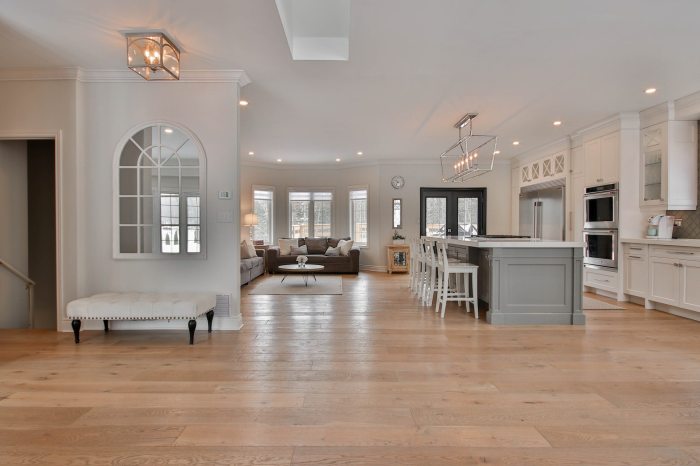
In conclusion, choosing the best flooring for your home remodel involves a careful balance of style, durability, and maintenance. By considering various factors and staying updated on design trends, you can create a space that is not only visually appealing but also functional and long-lasting.
Clarifying Questions
What factors should I consider when choosing flooring for a home remodel?
Consider factors like budget, foot traffic, style preferences, and room functionality to make the best choice.
How can climate and location impact my flooring selection?
Climate and location can affect the durability and suitability of certain flooring materials.
What are some common maintenance tips for different types of flooring?
Regular cleaning, proper installation, and following manufacturer guidelines can help maintain the longevity of your flooring.