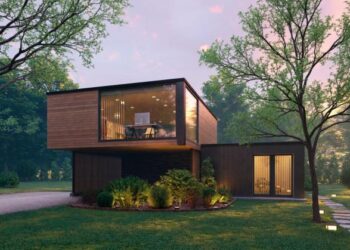
Embark on a journey through the world of architectural interior design, where creativity and functionality converge to shape captivating spaces that inspire. From the fundamental principles to the latest trends, discover how this art form transforms environments into works of art.
What is Architectural Interior Design?
Architectural interior design involves the planning, designing, and furnishing of interior spaces in buildings. It focuses on creating functional and aesthetically pleasing environments that enhance the quality of life for the occupants.
Role of Architectural Interior Design
Architectural interior design plays a crucial role in transforming empty spaces into livable and usable areas. It involves considering the layout, flow, and functionality of a space while incorporating elements of design to create a harmonious and visually appealing environment.
Key Elements in Architectural Interior Design
- Space Planning: Determining the optimal layout and arrangement of furniture and fixtures to maximize functionality and efficiency.
- Color Scheme: Selecting appropriate colors that complement the space, enhance the mood, and reflect the desired aesthetic.
- Lighting Design: Strategically planning lighting fixtures to create ambiance, highlight features, and improve visibility.
- Material Selection: Choosing quality materials for surfaces, furniture, and finishes that are both durable and aesthetically pleasing.
- Texture and Patterns: Incorporating textures and patterns to add depth, visual interest, and personality to the space.
Importance of Architectural Interior Design
Interior design plays a crucial role in shaping the look, functionality, and overall feel of a space. It goes beyond just aesthetics, as it also impacts the well-being of the occupants.
Enhancing the Overall Look and Feel
Interior design has the power to transform a space, making it visually appealing and inviting. By carefully selecting colors, textures, furniture, and lighting, designers can create a cohesive and harmonious environment that resonates with the intended purpose of the space.
- Strategic use of color palettes can evoke different emotions and set the mood of a room.
- Clever placement of furniture and accessories can create a sense of flow and balance within a space.
- Lighting design can highlight architectural features and create ambiance.
Improving Functionality
Architectural interior design is not just about making a space look good; it also focuses on enhancing its functionality and usability. Designers consider factors such as traffic flow, spatial organization, and accessibility to ensure that the space serves its intended purpose effectively.
- Optimizing space utilization through smart storage solutions and furniture layout.
- Creating designated zones for different activities to improve efficiency.
- Incorporating sustainable and eco-friendly design elements to promote a healthier environment.
Impact on Well-being
The design of a space can have a profound impact on the well-being and comfort of its occupants. By incorporating elements that promote relaxation, comfort, and productivity, architectural interior design can contribute to a healthier and happier living or working environment.
- Integrating natural elements like plants and natural light to improve air quality and mood.
- Using ergonomic furniture and fixtures to enhance comfort and reduce physical strain.
- Designing spaces with acoustics in mind to minimize noise pollution and create a peaceful atmosphere.
Principles of Architectural Interior Design
When it comes to architectural interior design, there are several fundamental principles that designers follow to create functional and aesthetically pleasing spaces. These principles guide the design process and help in achieving a harmonious balance between form and function.
Balance, Proportion, and Scale
Balance, proportion, and scale are essential principles in architectural interior design.
- Balance:This principle ensures that visual weight is evenly distributed in a space. It can be achieved through symmetrical or asymmetrical arrangements of furniture, lighting, and decor elements.
- Proportion:Proportion refers to the relationship between different elements in a space. Maintaining proper proportions helps create a sense of harmony and coherence.
- Scale:Scale deals with the size of objects in relation to the space they occupy. It is crucial to choose furniture and decor items that are proportionate to the room size to avoid overwhelming or underwhelming effects.
Unity and Harmony
Unity and harmony are key principles that contribute to the overall cohesiveness of interior spaces.
- Unity:Unity refers to the cohesive flow and consistency in design elements throughout a space. It creates a sense of completeness and ties the different components together.
- Harmony:Harmony involves the seamless integration of various design elements to create a visually pleasing environment. It ensures that all elements work together in a balanced and unified way.
Trends in Architectural Interior Design
Architectural interior design is constantly evolving to adapt to changing preferences, lifestyles, and technologies. Here are some of the current trends shaping the industry:
Integration of Technology
Technology has become a crucial element in architectural interior design, with smart home systems, virtual reality tools, and 3D printing revolutionizing the way designers conceptualize and execute projects. For example, architects now use virtual reality to create immersive experiences for clients, allowing them to visualize spaces in real-time before construction begins.
Sustainable Design Practices
Another major trend in architectural interior design is the emphasis on sustainability. Designers are incorporating eco-friendly materials, energy-efficient systems, and green building practices to reduce the environmental impact of their projects. For instance, using recycled materials, installing energy-saving appliances, and maximizing natural light can help create a more sustainable and eco-conscious interior space.
Materials and Finishes in Architectural Interior Design
Materials and finishes play a crucial role in architectural interior design, as they not only determine the aesthetics of a space but also contribute to its functionality and durability.
Common Materials and Finishes
- Wood: Wood is a versatile material commonly used in interior design for its warmth and natural beauty. It can be used for flooring, furniture, cabinetry, and decorative accents.
- Metal: Metals like steel, brass, and copper are often used to add a modern and industrial touch to interiors. They can be incorporated into light fixtures, railings, and hardware.
- Glass: Glass is a popular material for creating a sense of openness and lightness in interior spaces. It is commonly used for windows, doors, partitions, and decorative elements.
- Stone: Natural stones such as marble, granite, and travertine are used to add luxury and sophistication to interiors. They are commonly found in countertops, flooring, and wall cladding.
- Textiles: Fabrics like velvet, silk, and wool are used to add texture, color, and comfort to interior spaces. They are commonly used for upholstery, drapery, and decorative pillows.
Contribution to Aesthetic Appeal
The choice of materials and finishes significantly impacts the overall aesthetic of a space. For example, using warm-toned woods can create a cozy and inviting atmosphere, while sleek metals can give a space a contemporary and sophisticated look. Incorporating glass can make a space feel more open and airy, while luxurious stone finishes can add a sense of elegance and opulence.
Importance of Selecting Appropriate Materials
- Durability: Selecting materials that are durable and long-lasting is essential to ensure that the interior design remains visually appealing and functional over time.
- Functionality: Choosing materials that are suitable for the intended purpose of a space is crucial for ensuring that it meets the needs of its occupants. For example, using stain-resistant fabrics in high-traffic areas or moisture-resistant materials in bathrooms.
Lighting Design in Architectural Interior Design
Lighting design plays a crucial role in architectural interior design as it not only serves functional purposes but also enhances the overall aesthetic appeal of a space. Proper lighting can transform the mood and ambiance of a room, creating a welcoming and comfortable environment for its occupants.
Significance of Lighting Design
- Lighting design can highlight architectural features and elements, drawing attention to specific areas of a space.
- It helps create a sense of depth and dimension, adding visual interest to the design.
- Proper lighting can improve the functionality of a space by providing adequate illumination for various activities.
Enhancing Mood and Ambiance
- Soft, warm lighting can create a cozy and intimate atmosphere, perfect for bedrooms or living rooms.
- Bright, cool lighting can make spaces feel more open and spacious, ideal for offices or commercial areas.
- Colored lighting can evoke different emotions and set the tone for different events or occasions.
Lighting Techniques
- Task lighting focuses on providing adequate light for specific tasks such as reading or cooking.
- Ambient lighting creates a general, overall illumination for a space, ensuring a comfortable level of brightness.
- Accent lighting is used to highlight architectural details, artwork, or focal points in a room.
Conclusion
As we conclude our exploration of architectural interior design, it becomes evident that the interplay of elements and the careful consideration of every detail result in spaces that not only please the eye but also nourish the soul. Dive into this realm of design and unlock the potential to create truly unforgettable interiors.
FAQs
What is Architectural Interior Design?
Architectural interior design involves creating functional and visually appealing spaces by considering elements like layout, materials, and lighting.
How does architectural interior design impact well-being?
Architectural interior design can positively affect occupants' well-being by promoting comfort, functionality, and a sense of harmony within a space.
What are sustainable design practices in architectural interior design?
Sustainable design practices in architectural interior design focus on using eco-friendly materials, energy-efficient lighting, and strategies to reduce environmental impact.