Delving into the world of famous architects and their iconic projects, this article aims to shed light on the creative minds behind some of the most remarkable structures in history. From innovative designs to cultural influences, each architect has left a lasting impact on the architectural landscape.
As we uncover the stories behind these masterpieces, we invite you to join us on a journey through the visionary minds of renowned architects and the legacies they have built.
Famous architects and their iconic projects
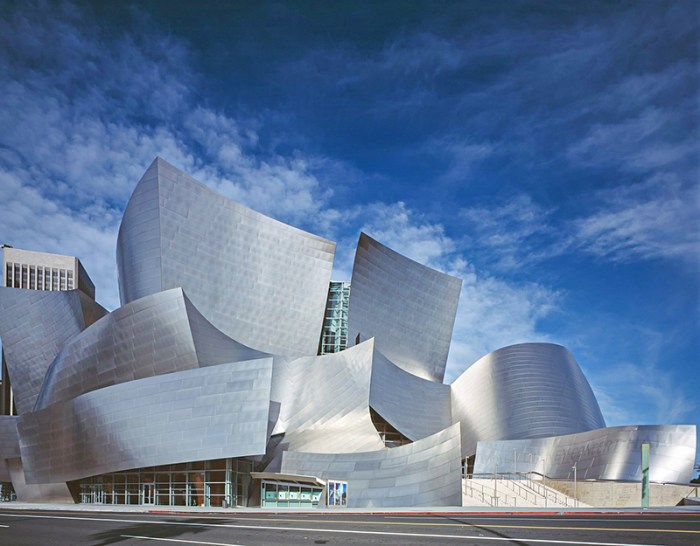
When it comes to renowned architects and their groundbreaking projects, there are a few names that stand out in the world of architecture. Let's explore three famous architects and the iconic projects that have solidified their place in architectural history.
Frank Lloyd Wright and Fallingwater
Frank Lloyd Wright, known for his organic architecture style, designed the iconic Fallingwater house in Pennsylvania. Completed in 1939, Fallingwater is a masterpiece of modern architecture that seamlessly integrates with its natural surroundings. The house is renowned for its cantilevered terraces that seem to float above a waterfall, showcasing Wright's innovative approach to design.
Zaha Hadid and the Guangzhou Opera House
Zaha Hadid, a visionary architect, is known for her futuristic and avant-garde designs. One of her most iconic projects is the Guangzhou Opera House in China, completed in 2010. The opera house's fluid forms and dynamic structure reflect Hadid's signature style, pushing the boundaries of conventional architecture and creating a striking landmark in the city.
I.M. Pei and the Louvre Pyramid
I.M. Pei, a master of modernist architecture, is celebrated for his timeless designs that blend tradition with innovation. One of his most famous projects is the Louvre Pyramid in Paris, completed in 1989. The glass pyramid serves as the main entrance to the Louvre Museum, seamlessly blending the historic architecture of the museum with a contemporary touch, symbolizing a harmonious marriage between the old and the new.
Architectural styles and influences
Architects throughout history have significantly influenced architectural styles, shaping the way buildings are designed and constructed. Their innovative approaches have inspired generations of architects and continue to impact the field of architecture today.
Modernist Architects
Modernist architects, such as Le Corbusier and Ludwig Mies van der Rohe, emphasized simplicity, functionality, and the use of new materials like concrete and steel. They believed in the importance of form following function and rejected excessive ornamentation.
- Example: Le Corbusier's Villa Savoye in France showcases the principles of modernist architecture with its clean lines, open floor plan, and use of pilotis (supports) to elevate the building.
Postmodernist Architects
Postmodernist architects, like Robert Venturi and Michael Graves, challenged the strict rules of modernism by reintroducing historical elements, symbolism, and playful design elements. They embraced complexity and diversity in their designs.
- Example: Michael Graves' Portland Building in Oregon is a notable postmodernist structure with its colorful facade, classical references, and decorative details that break away from the restrained aesthetics of modernism.
Contemporary Architects
Contemporary architects, such as Zaha Hadid and Frank Gehry, continue to push boundaries with their innovative designs that blend technology, sustainability, and artistic expression. They focus on creating dynamic, sculptural forms that challenge traditional notions of architecture.
- Example: Zaha Hadid's Heydar Aliyev Center in Azerbaijan is a striking contemporary building characterized by its fluid, futuristic design that defies conventional architectural norms.
Innovative materials and technologies
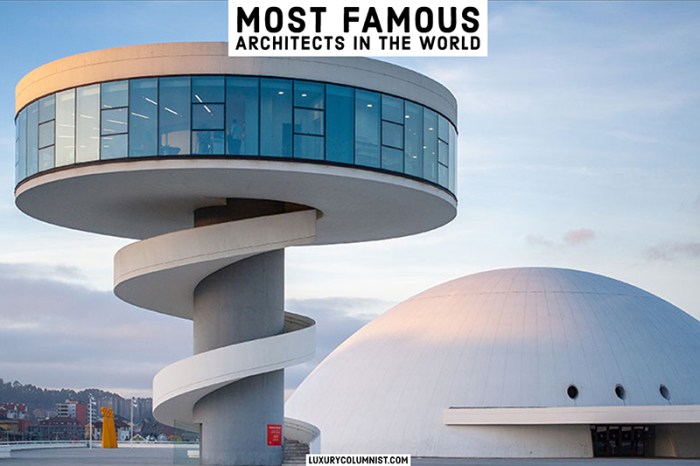
In the realm of architecture, the use of innovative materials and technologies has revolutionized the way buildings are designed and constructed. Famous architects have pushed boundaries and embraced new materials to create iconic projects that defy traditional norms.From the utilization of glass curtain walls to the incorporation of sustainable materials like bamboo and recycled steel, architects have continuously experimented with innovative materials to achieve their design visions.
These materials not only offer aesthetic appeal but also provide functional benefits such as energy efficiency and durability.
Impact of Technology on Modern Architectural Design
In the modern era, technology has played a pivotal role in shaping architectural design. The introduction of advanced software and tools like Building Information Modeling (BIM) has enabled architects to create intricate designs with precision and efficiency. 3D printing technology has also revolutionized the construction process, allowing architects to fabricate complex architectural elements with ease.
Groundbreaking Projects in Architecture
- The Guggenheim Museum Bilbao designed by Frank Gehry: Known for its iconic titanium-clad curves, this museum showcases the innovative use of materials in architecture.
- The Eden Project in Cornwall, UK by Grimshaw Architects: This project features a series of biome structures made from transparent ETFE cushions, creating a sustainable and visually striking architectural marvel.
- The Burj Khalifa in Dubai designed by Skidmore, Owings & Merrill: As the tallest building in the world, the Burj Khalifa incorporates cutting-edge technology in its design and construction, including a high-performance exterior cladding system.
Cultural and societal impact
Architecture plays a crucial role in shaping societies and reflecting cultural values. Famous architects have often addressed cultural and societal issues through their iconic projects, leaving a lasting impact on communities worldwide.
Frank Lloyd Wright
Fallingwater
Fallingwater
One prime example of a project with significant cultural and societal impact is Frank Lloyd Wright's Fallingwater. Completed in 1939, this house built over a waterfall in Pennsylvania seamlessly integrates with its natural surroundings, embodying Wright's philosophy of organic architecture.
Fallingwater not only revolutionized residential design but also sparked discussions about the relationship between human habitation and nature.
Imhotep
Pyramid of Djoser
Pyramid of Djoser
Imhotep, an ancient Egyptian architect, designed the Pyramid of Djoser in Saqqara, Egypt, around 2600 BC. This iconic structure is not only a marvel of engineering but also a reflection of the cultural and religious beliefs of the time.
The pyramid complex served as a funerary monument for Pharaoh Djoser, showcasing the importance of the afterlife in ancient Egyptian society.
Zaha Hadid
Heydar Aliyev Center
Heydar Aliyev Center
Zaha Hadid's Heydar Aliyev Center in Baku, Azerbaijan, is a futuristic cultural complex that has become a symbol of the country's modernization and openness to the world. The fluid and dynamic design of the building challenges traditional architectural norms, reflecting Azerbaijan's aspirations for a progressive future while honoring its rich cultural heritage.
Final Summary
In conclusion, the work of famous architects and their iconic projects serves as a testament to human creativity and ingenuity. From towering skyscrapers to innovative museums, each structure tells a unique story of architectural brilliance. As we continue to admire and study these works, we are reminded of the profound impact architecture has on shaping our world.
FAQ Resource
What are some examples of famous architects and their iconic projects?
Some renowned architects and their famous projects include Frank Lloyd Wright with Fallingwater, Zaha Hadid with the Heydar Aliyev Center, and I.M. Pei with the Louvre Pyramid.
How have architectural styles evolved over time?
Architectural styles have evolved through the works of influential architects like Le Corbusier, who pioneered modernist architecture, and Frank Gehry, known for his postmodernist designs that challenge traditional norms.
What societal impacts do famous architects' projects have?
Projects like the Guggenheim Museum in Bilbao by Frank Gehry have revitalized cities and stimulated tourism, showcasing the power of architecture in shaping cultural landscapes.