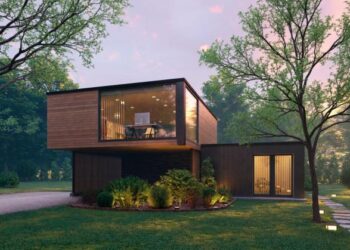
As Modern home design ideas by top architects takes center stage, this opening passage beckons readers into a world crafted with good knowledge, ensuring a reading experience that is both absorbing and distinctly original. The content of the second paragraph provides descriptive and clear information about the topic, setting the stage for a deeper exploration of modern home design trends.
Modern Home Design Trends
Modern home design trends are constantly evolving, influenced by a variety of factors including advancements in technology and innovative materials. Top architects are at the forefront of these trends, creating stunning and functional spaces that redefine contemporary living.
Innovative Use of Technology
Technology plays a crucial role in modern home design, allowing architects to push boundaries and explore new possibilities. Smart home systems, energy-efficient appliances, and sustainable building practices are just a few examples of how technology is shaping the way we live.
Innovative Materials in Modern Architecture
Top architects are always on the lookout for innovative materials that can enhance the design and functionality of a home. From sustainable options like bamboo and recycled glass to cutting-edge materials like carbon fiber and translucent concrete, the possibilities are endless when it comes to creating a modern masterpiece.
Sustainable Design Practices
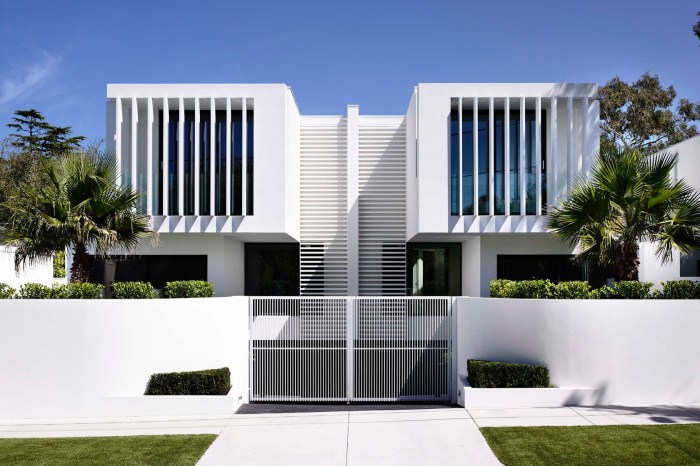
When it comes to modern home design, sustainability plays a crucial role in creating environmentally friendly and energy-efficient living spaces. Incorporating sustainable design practices not only helps reduce the carbon footprint but also promotes a healthier and more eco-conscious lifestyle.
Importance of Sustainability in Modern Home Design
Sustainable design practices in modern homes are essential to minimize the impact on the environment and lower energy consumption. Top architects emphasize the importance of incorporating sustainable elements into every aspect of home design to create a more efficient and eco-friendly living environment.
Sustainable Design Techniques Recommended by Top Architects
- Utilizing passive solar design to maximize natural light and reduce the need for artificial lighting.
- Installing energy-efficient appliances and fixtures to lower electricity consumption.
- Implementing proper insulation and ventilation systems to regulate indoor temperature and reduce heating and cooling costs.
- Incorporating green roofs and rainwater harvesting systems to promote sustainable water management.
Incorporating Eco-Friendly Materials into Modern Homes
- Using recycled materials such as reclaimed wood, glass, and metal to reduce waste and promote a circular economy.
- Opting for sustainable building materials like bamboo, cork, and recycled plastic to minimize environmental impact.
- Choosing non-toxic paints, finishes, and adhesives to improve indoor air quality and create a healthier living space.
- Exploring innovative materials like hempcrete, rammed earth, and straw bale for sustainable construction practices.
Interior Design Concepts
Interior design plays a crucial role in shaping the overall ambiance and functionality of modern homes. Top architects often incorporate unique concepts to create spaces that are not only visually appealing but also practical and comfortable for residents.Natural Light Integration:One of the key elements in modern interior design is the integration of natural light.
Architects strategically position windows, skylights, and glass walls to maximize the entry of sunlight into the living spaces. This not only reduces the need for artificial lighting but also creates a sense of openness and connection to the outdoors.Creating Harmonious Flow:To ensure a harmonious flow in modern interior spaces, architects focus on creating a seamless transition between different areas of the home.
This can be achieved through the use of consistent color palettes, materials, and design elements throughout the space. Open floor plans, minimalistic furniture, and strategic placement of decor items help in maintaining a sense of cohesion and fluidity in the design.
Innovative Material Usage
Innovative use of materials is a common interior design concept favored by top architects. They often experiment with unconventional materials such as reclaimed wood, concrete, metal, and glass to add texture and visual interest to the space. By combining different materials in unique ways, architects create a sense of depth and character in modern interiors.
- Reclaimed wood: Architects often use reclaimed wood to add warmth and rustic charm to modern interiors. From accent walls to furniture pieces, reclaimed wood brings a sense of history and sustainability to the design.
- Concrete: Concrete is another popular material choice for modern interiors due to its durability and versatility. Architects use concrete for flooring, countertops, and even accent walls to create an industrial-chic aesthetic.
- Metal: Metal accents such as steel beams, iron fixtures, and aluminum furniture are used to add a touch of modernity and sophistication to interior spaces. These metal elements provide a sleek and contemporary look to the design.
- Glass: Glass is often incorporated into modern interiors to enhance natural light and create a sense of transparency. Architects use glass partitions, doors, and windows to visually expand the space and blur the boundaries between indoor and outdoor areas.
Outdoor Living Spaces
Outdoor living spaces play a crucial role in modern home design, offering a seamless transition between indoor and outdoor areas. Architects are increasingly incorporating these spaces into their designs to enhance the overall living experience for homeowners.
Significance of Outdoor Living Spaces
Outdoor living spaces provide a connection to nature, allowing residents to enjoy fresh air and natural light while relaxing or entertaining guests. These areas also expand the usable square footage of a home, creating additional space for activities such as dining, lounging, or gardening.
Blending Indoor and Outdoor Spaces
- Architects often use large windows, sliding glass doors, and open floor plans to blur the lines between indoor and outdoor living areas.
- Incorporating similar materials and color palettes in both indoor and outdoor spaces helps create a cohesive design aesthetic.
- Features like covered patios, pergolas, and outdoor kitchens further integrate the indoor and outdoor areas of a home.
Creating Functional and Stylish Outdoor Areas
- Consider incorporating a variety of seating options such as lounge chairs, dining sets, and built-in benches to accommodate different activities and gatherings.
- Add lighting elements like string lights, lanterns, or sconces to create ambiance and extend the usability of outdoor spaces into the evening.
- Include greenery and landscaping to enhance the natural beauty of outdoor areas and create a sense of tranquility.
Smart Home Technology Integration
Smart home technology is revolutionizing modern home designs by offering convenience, efficiency, and enhanced security to homeowners. Architects are incorporating innovative technology solutions to create homes that are not only aesthetically pleasing but also functional and sustainable.
Examples of Smart Home Integration
- Architects are incorporating smart thermostats that can learn the homeowners' preferences and adjust the temperature accordingly, saving energy and reducing utility costs.
- Smart lighting systems are being installed that can be controlled remotely through smartphones, allowing homeowners to adjust the lighting levels and create different ambiance settings.
- Integrated security systems with cameras, sensors, and smart locks are becoming standard features in modern homes, providing homeowners with peace of mind and enhanced protection.
Benefits and Challenges of Smart Home Integration
- Benefits:
- Increased energy efficiency and cost savings through automated systems.
- Enhanced convenience and comfort with remote control features.
- Improved security and monitoring options for homeowners.
- Challenges:
- Initial cost of installation and integration can be high.
- Compatibility issues with different devices and platforms may arise.
- Privacy and security concerns related to data collection and sharing.
Customization and Personalization
In modern home design, customization and personalization have become increasingly popular as individuals seek to create spaces that reflect their unique preferences and lifestyles. Architects play a crucial role in translating these individual needs into tangible design features that make a house feel like a home.
Trend of Customization in Modern Home Design
Customization in modern home design goes beyond simply choosing paint colors or furniture styles. It involves tailoring every aspect of a home to suit the specific needs and desires of the homeowner. This can include custom floor plans, unique architectural elements, and personalized finishes that truly make a home one-of-a-kind.
Catering to Individual Preferences and Lifestyles
Architects work closely with clients to understand their daily routines, hobbies, and aesthetic preferences in order to create a space that not only looks beautiful but also functions seamlessly with their lifestyle. This may involve incorporating special features like a home office, a yoga studio, or a dedicated space for entertaining guests.
Incorporating Personal Touches into Modern Home Designs
Tips for incorporating personal touches into modern home designs include selecting meaningful artwork, incorporating family heirlooms, and integrating elements of nature into the design. Personalization can also be achieved through custom furniture pieces, unique lighting fixtures, and innovative storage solutions that reflect the homeowner's personality and interests.
Conclusive Thoughts
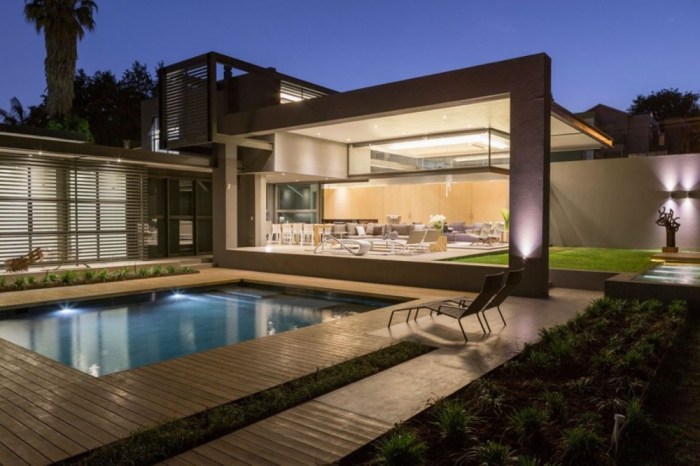
In conclusion, the world of modern home design ideas by top architects is a fascinating blend of innovation, sustainability, and personalized touches. By embracing the latest trends and incorporating smart technology, homeowners can create spaces that are both stylish and functional.
As you embark on your design journey, remember to infuse your individuality into every corner of your modern home.
Q&A
How do top architects influence modern home design trends?
Top architects influence modern home design trends by incorporating innovative materials, sustainable practices, and personalized touches into their projects, setting the standard for contemporary living spaces.
What are some examples of eco-friendly materials used in modern architecture?
Eco-friendly materials commonly used in modern architecture include bamboo flooring, recycled glass countertops, and reclaimed wood for a sustainable and stylish touch.
How can smart home technology be seamlessly integrated into modern home designs?
Smart home technology can be seamlessly integrated into modern home designs through features like automated lighting, smart thermostats, and security systems that enhance convenience and efficiency.
What is the significance of outdoor living spaces in modern home design?
Outdoor living spaces play a vital role in modern home design, providing a seamless connection between indoor and outdoor areas, creating a harmonious flow that enhances the overall living experience.
How do architects cater to individual preferences and lifestyles in modern home design?
Architects cater to individual preferences and lifestyles in modern home design by offering customization options, personalized design elements, and tailored solutions that reflect the unique needs of homeowners.