Embark on a journey through the world of new home siding options, where we delve into the various materials, costs, trends, and installation techniques that define the modern homeowner's choices.
As we navigate through the different facets of siding options, you'll gain valuable insights into enhancing your home's curb appeal and making informed decisions for your next renovation project.
Types of New Home Siding Options
When it comes to choosing siding for a new home, there are several options available, each with its own set of pros and cons. It's important to consider factors like durability, maintenance requirements, and aesthetic appeal when making your decision.
Vinyl Siding
- One of the most popular siding options due to its affordability and low maintenance.
- Comes in a wide range of colors and styles to suit different tastes.
- Durable and resistant to rot, fading, and insect damage.
- May crack or become brittle over time, especially in extreme weather conditions.
- Requires occasional cleaning to maintain its appearance.
Fiber Cement Siding
- A versatile option that mimics the look of wood, stucco, or masonry.
- Highly durable and resistant to fire, insects, and rot.
- Requires minimal maintenance and can last for decades.
- More expensive upfront compared to vinyl siding.
- Installation can be labor-intensive and may require professional help.
Wood Siding
- Provides a natural and rustic look to a home.
- Eco-friendly and biodegradable option.
- Can be painted or stained in various colors.
- Requires regular maintenance like painting, staining, and sealing to prevent rot and insect damage.
- Prone to warping, cracking, and fading over time.
Trends in Home Siding
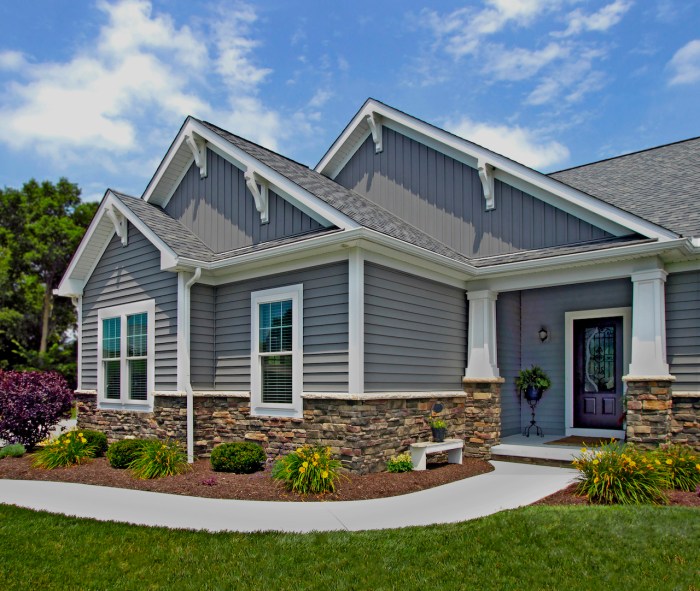
In the world of home siding, trends are constantly evolving to meet the changing preferences of homeowners. Let's take a look at some of the current trends shaping the landscape of new home siding options.
Popular Colors, Textures, and Finishes
When it comes to modern home siding, neutral colors like gray, beige, and white are all the rage. These hues provide a clean and sophisticated look that complements a variety of architectural styles. Textures such as wood-grain and smooth finishes are also popular choices for adding depth and visual interest to the exterior of a home.
Matte finishes are gaining popularity for their contemporary and understated appeal.
Eco-Friendly and Sustainable Materials
As sustainability becomes a top priority for many homeowners, eco-friendly siding materials are on the rise. Options like fiber cement, engineered wood, and reclaimed wood siding are gaining popularity due to their environmentally friendly properties. These materials not only reduce the carbon footprint of a home but also offer durability and low maintenance benefits.
Cost Considerations
When it comes to choosing new home siding options, cost is a major factor to consider. The upfront installation cost, as well as long-term maintenance expenses, can vary significantly depending on the material you choose. It's essential to weigh these costs against your budget constraints to make an informed decision.
Cost Factors of Different Siding Options
There are several cost factors associated with different new home siding options:
- Vinyl Siding: Vinyl siding is one of the most affordable options, with low upfront costs. However, it may require more frequent maintenance and replacement over time.
- Fiber Cement Siding: Fiber cement siding is a mid-range option in terms of cost. While it has a higher upfront installation cost than vinyl, it is more durable and requires less maintenance.
- Wood Siding: Wood siding can be expensive to install initially, but it offers a natural and timeless look. However, it may require more maintenance and upkeep to prevent rot and insect damage.
- Composite Siding: Composite siding falls in the mid to high range in terms of cost. It combines the benefits of different materials but may require specialized installation.
- Metal Siding: Metal siding can have a higher upfront cost, but it is extremely durable and low maintenance in the long run.
Choosing Based on Budget Constraints
When choosing a siding material based on budget constraints, consider the following tips:
- Set a realistic budget: Determine how much you can afford to spend on both installation and maintenance costs.
- Compare costs: Research the upfront installation costs as well as long-term maintenance expenses for each siding material.
- Consider durability: Factor in the lifespan of the siding material and how much maintenance it will require over time.
- Seek professional advice: Consult with siding experts to get recommendations based on your budget and needs.
Installation Techniques
Installing new home siding is a crucial step in enhancing the appearance and protecting the exterior of your home. Whether you choose to tackle the project yourself or hire professionals, proper preparation is key to a successful installation.
DIY vs. Professional Installation
- DIY Installation:
- Requires basic knowledge of tools and construction techniques.
- Can be cost-effective but may take longer to complete.
- Risk of errors that could impact the effectiveness of the siding.
- Professional Installation:
- Experienced professionals ensure a high-quality installation.
- Saves time and eliminates the risk of mistakes.
- Costs more but provides peace of mind and expertise.
Preparing the Exterior for Installation
Before starting the installation process, it's essential to prepare the exterior of your house properly. Here are the steps to follow:
- Inspect the current siding for any damage or mold.
- Clean the exterior surface thoroughly to remove dirt, debris, and old paint.
- Repair any damaged areas, including fixing loose boards or replacing rotten wood.
- Apply a weather-resistant barrier to protect against moisture infiltration.
- Measure and cut the new siding materials to fit the dimensions of your home accurately.
Enhancing Curb Appeal
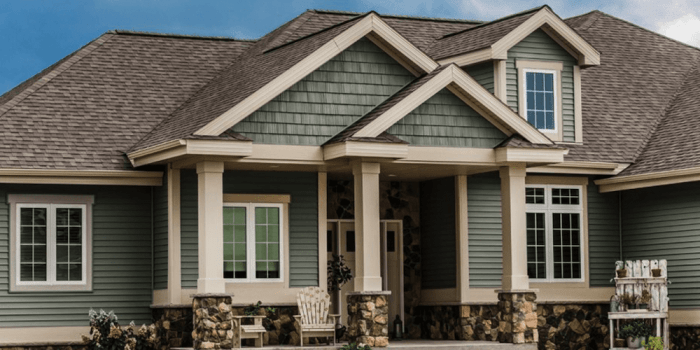
When it comes to enhancing the curb appeal of a home, the right siding choice can make a significant difference. The exterior of a house is the first thing that people notice, so selecting the appropriate siding style and material is crucial in creating a positive first impression.
Impact of Siding Styles
Different siding styles can have a profound impact on the overall aesthetics of a house. For example, a modern home might benefit from sleek metal siding, while a traditional farmhouse could be beautifully complemented by charming cedar shake siding. The key is to choose a style that not only enhances the architectural features of the house but also reflects the homeowner's personal taste.
Complementing Architectural Styles
- For a Colonial-style home, consider classic clapboard vinyl siding in neutral tones to maintain a timeless look.
- A Craftsman-style house can be accented with rich wood siding or fiber cement panels to highlight its artisanal details.
- Contemporary homes often look striking with smooth stucco or metal siding in bold, contrasting colors.
- Tudor-style homes can be enhanced with textured stone or brick veneer siding to embrace their traditional charm.
Conclusion
In conclusion, the realm of new home siding options offers a plethora of choices to suit every style and budget. By understanding the factors at play, you can elevate your home's exterior and create a lasting impression.
Detailed FAQs
What are the most durable siding materials?
Vinyl and fiber cement are known for their durability and low maintenance requirements.
Are there eco-friendly siding options available?
Yes, materials like reclaimed wood and recycled metal offer sustainable choices for environmentally conscious homeowners.
How can I prepare my house for new siding installation?
Ensure the exterior is clean, repair any damage, and remove obstacles for a smooth installation process.